Smart Moves for Your Old 401(k) After Job Change
Retirement Planning, 401(k) Rollover
Changed Jobs? Don’t Overlook Your Old 401(k)
A new job often comes with fresh opportunities, but your former 401(k) shouldn’t be left on autopilot. Understanding your choices now can help you protect what you’ve already saved and keep your retirement on track.
Your Main Options for a Former 401(k)
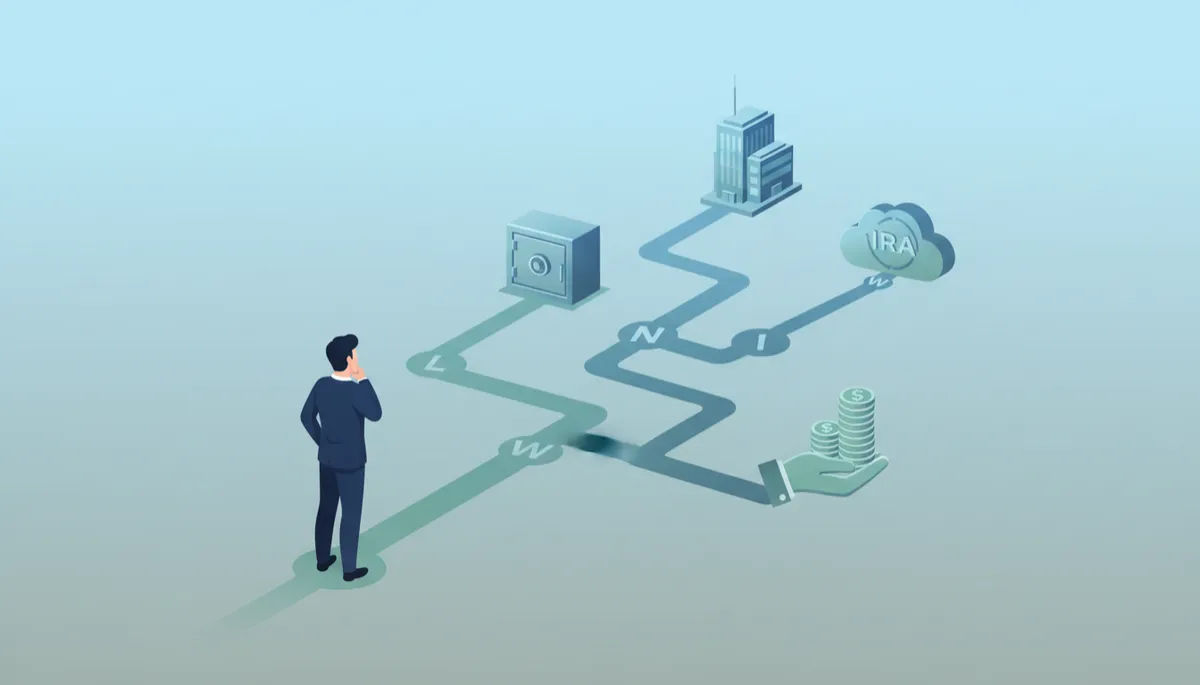
When you leave an employer, your old 401(k) doesn’t move automatically. In most cases, you’ll have four primary choices:
Leave it in your former employer’s plan (if allowed).
Move it to your new employer’s plan, once you’re eligible to participate.
Roll it into an IRA (individual retirement account).
Withdraw it in cash, which may trigger taxes and penalties.
💡 Quick reminder: Before you do anything, confirm whether you are fully vested in employer contributions and check your plan’s rules for balances under a certain dollar amount.
Option 1: Leaving Your 401(k) Where It Is
Many plans allow you to leave your money after you leave the company, especially if your balance is above a set minimum. This can be a simple, low-effort choice if the plan offers:
Competitive investment options and reasonable fees.
Easy online access and clear statements.
The trade-off is that you’ll have one more account to track. Over time, multiple old 401(k)s can become hard to manage, making it easier to lose sight of your overall investment mix and risk level.
Option 2: Moving It to Your New Employer’s Plan
If your new employer offers a 401(k) and accepts rollovers, combining your old account with your new plan can help you consolidate and simplify your retirement savings. You’ll have:
One main workplace account to manage and rebalance.
A clearer picture of how much you’re saving each paycheck versus what you’ve already accumulated.
On the other hand, your new plan may have a limited investment menu or higher fees than your former plan or an IRA. Always review the fund options, expense ratios, and any advisory fees before you move money in.

Laying out fees, features, and flexibility side by side clarifies which 401(k) option fits best.
Option 3: Rolling Your 401(k) Into an IRA
An IRA rollover lets you move your former 401(k) into an individual retirement account you control. This often means broader investment choices than a workplace plan, including mutual funds, ETFs, and sometimes individual stocks and bonds.
A direct rollover—where the money goes straight from the plan to the IRA—helps you avoid current taxes and potential penalties. You may also be able to choose between a traditional IRA (keeping the tax-deferred status) or, in some cases, a Roth IRA (which can create a taxable event but offers tax-free withdrawals later if rules are met).
📌 Key takeaway: An IRA can offer flexibility and control, but you’ll be responsible for choosing investments and possibly paying advisory or account fees.
Option 4: Withdrawing the Money in Cash
Taking a cash distribution can be tempting, especially during a job transition. But it’s usually the costliest long-term choice. If you’re under age 59½, you will typically owe:
Ordinary income tax on the amount withdrawn, and
A 10% early withdrawal penalty, unless an exception applies.
You’ll also lose the potential for that money to grow tax-deferred for retirement. Even a relatively small withdrawal today can mean significantly less available later, after years of missed compounding.
How to Compare Your Former 401(k) Options
Before you decide, line up your choices and compare them on a few key factors:
Fees: Look at expense ratios for funds and any account or advisory fees in each option.
Investment choices: Are you limited to just a few funds, or do you have a diversified menu to build the right mix?
Convenience and control: Is it easier for you to manage a single consolidated account, or do you prefer to keep money in an employer-sponsored plan?
Tax considerations: Will your move keep your savings tax-deferred, or could it trigger current taxes or penalties?
For many people, leaving the money, rolling to a new plan, or moving to an IRA can all be solid options, depending on plan quality and personal preference. Cashing out is usually best reserved for true emergencies, after you’ve weighed the long-term impact.
Putting Your Retirement First After a Job Change
A job change is a natural time to reassess your financial life. Treat your former 401(k) as part of that review. By understanding the pros and cons of leaving it, moving it, rolling it into an IRA, or withdrawing it, you can choose the path that best supports your long-term goals.
Consider speaking with a financial professional or tax advisor before you act. A bit of guidance now can help ensure the savings you’ve already worked hard for continues working just as hard for your future retirement.
